1980s Digital Interfaces and Their Impact on Access Controls at British Regional Gaming Venues
Written by Jordan Hansen · Aug 23, 2026
1980s Digital Interfaces and Their Impact on Access Controls at British Regional Gaming Venues
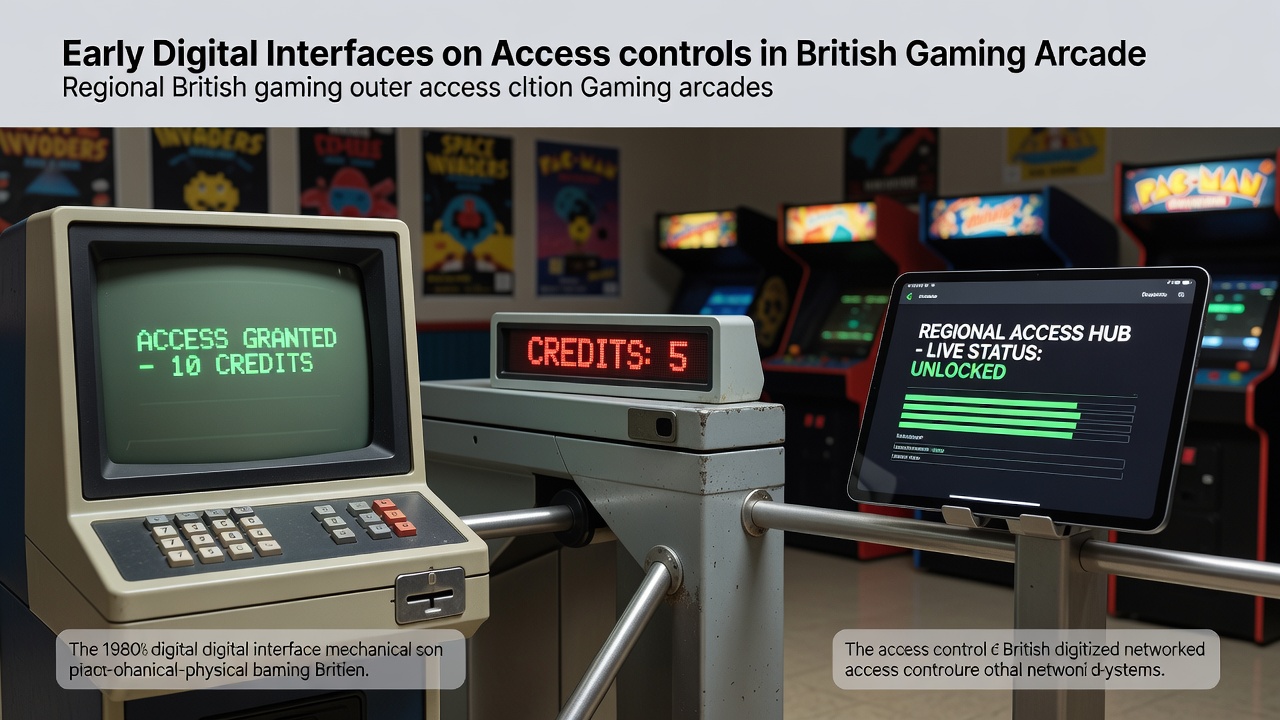
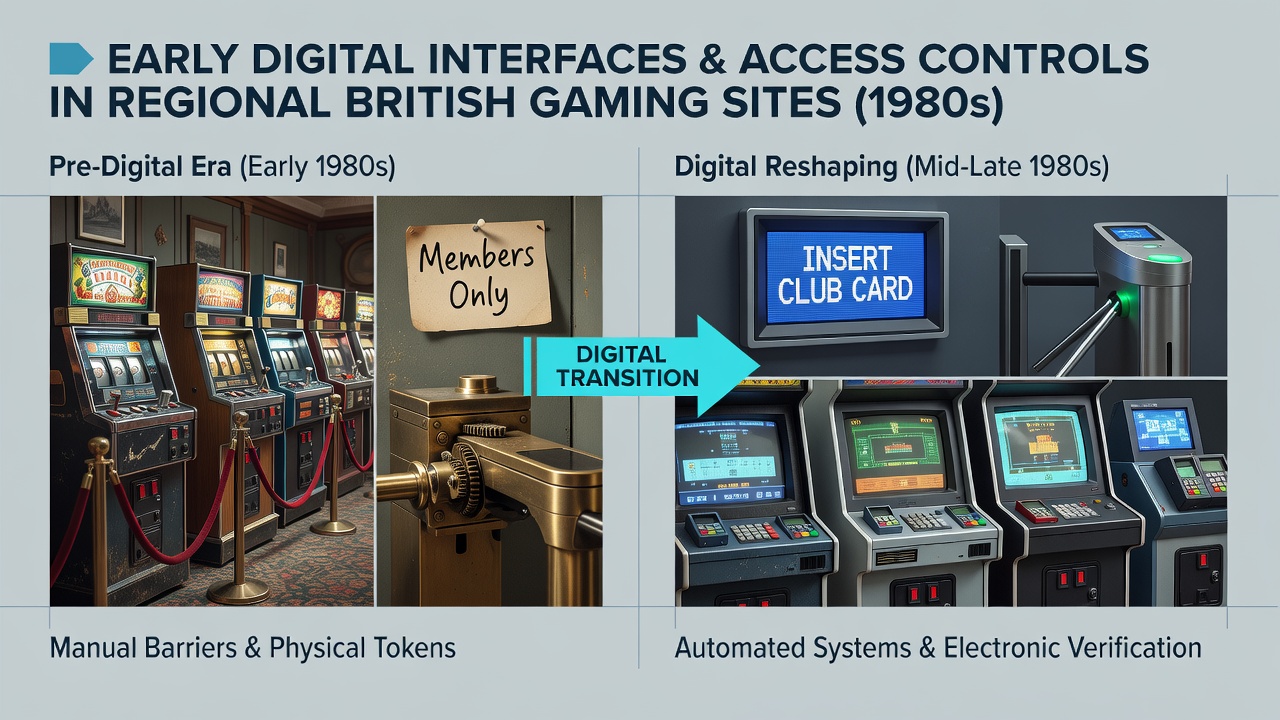
Regional gaming sites across Britain began incorporating digital interfaces into their operations during the 1980s, and this transition altered how operators managed entry points and machine functions in pubs, arcades, and clubs. Mechanical locks gave way to electronic systems that relied on microprocessors for verification, and those changes spread through northern England, Scotland, and Wales at varying rates depending on venue size and investment levels.
Data from industry records shows that by 1985 many machines featured basic digital keypads instead of traditional barrel locks, while observers note that smaller regional locations adopted these upgrades more slowly than larger urban spots. The shift allowed for coded access sequences that replaced physical keys, and this reduced instances of unauthorized tampering according to maintenance logs from that era.
Early Microprocessor Integration in Gaming Equipment
Manufacturers introduced microprocessor-based controls to fruit machines and similar devices throughout the decade, and these components handled both payout calculations and security protocols simultaneously. Technicians programmed access restrictions directly into the firmware, which meant that only personnel with the correct sequence could open cash boxes or adjust settings without triggering alarms. Research from academic sources on computing history indicates that this integration occurred first in machines produced for British venues between 1982 and 1987.
Those who've studied the period point out that digital interfaces often combined simple LED displays with numeric entry pads, and this setup let operators monitor machine status in real time. In regional sites like those in Yorkshire or the Scottish borders, staff reported fewer mechanical failures after the change because electronic sensors replaced wear-prone metal parts. But here's the thing: adoption depended heavily on local supply chains, so some venues continued using hybrid systems that blended old locks with new circuit boards well into the late 1980s.
Regional Variations in Implementation Across Britain
Implementation patterns differed by area because coastal arcades in the south east upgraded faster than inland pubs in Wales, and figures from trade associations reveal that Scotland saw quicker rollout in high-traffic locations. Access controls moved from key-based systems to password-protected digital menus, which allowed managers to set time-limited entry windows for technicians. One study revealed that these features cut down on after-hours interference in monitored venues, though exact numbers varied by operator.
What's interesting is how early software updates enabled remote-like diagnostics through on-site terminals, and this reduced the need for constant physical inspections. In places like Manchester arcades and Birmingham clubs, operators documented shorter downtime periods once digital interfaces took hold, since error codes replaced manual troubleshooting. Yet many smaller regional sites faced challenges when retrofitting older cabinets, and that led to staggered timelines for full conversion.
According to records compiled by European gaming historians, similar interface changes appeared in other markets around the same time, which helped standardize some security practices across borders. Technicians learned new skills for handling these systems, and training programs emerged through equipment suppliers to address the learning curve. People who've examined archived maintenance reports find that digital access logs provided clearer audit trails than paper records ever could.
Security Protocol Changes and Operator Training
Security protocols evolved as digital interfaces allowed multi-level access permissions, and this meant floor staff could view basic metrics while only supervisors held codes for deeper adjustments. Industry organizations such as the International Gaming Standards Association later referenced these early methods in discussions of protocol development. In British regional settings the change meant fewer lost keys and more consistent enforcement of opening schedules.
Training shifted accordingly because technicians needed to understand both hardware connections and code entry sequences, and data shows that venues investing in such programs experienced steadier operations. Observers note that the 1980s marked a clear move away from purely mechanical safeguards toward software-driven verification, though full standardization took until the following decade in many areas.
Long-Term Effects on Venue Operations
Over time these interfaces influenced how regional sites scheduled maintenance and handled cash handling, and the resulting data trails supported better inventory tracking. Academic papers from Canadian university gaming studies highlight parallel developments in North American locations that borrowed from British examples. The reality is that early digital systems laid groundwork for later networked controls without requiring major structural changes to existing venues.
Conclusion
By the close of the 1980s, digital interfaces had become standard in many British regional gaming sites, and they redefined access controls through coded entry and electronic monitoring. Those shifts supported more precise operational oversight while adapting to local conditions across England, Scotland, and Wales. Historical analyses continue to trace how these foundational changes influenced subsequent security practices in the sector.