How Early Digital Signal Processors Foiled Coin Shaving Schemes in Northern English Pubs
Written by Freya Franke · Aug 23, 2026
Early Digital Signal Processors Stop Coin Shaving Schemes Across Northern England Pubs
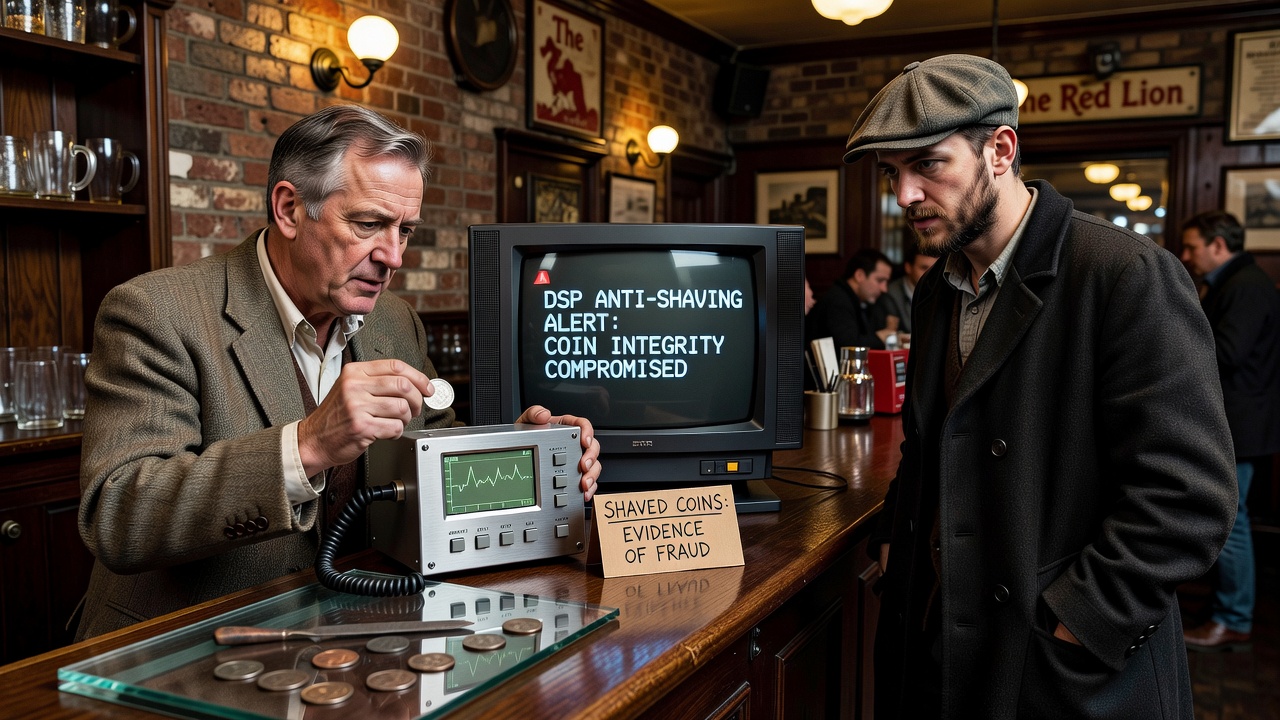
Coin shaving operations targeted mechanical coin validators in fruit machines throughout Northern English pubs during the 1970s and early 1980s, and operators filed numerous reports of altered coins passing through chutes in venues across Yorkshire, Lancashire, and Northumberland. Shavers filed edges from standard coins to reduce weight while preserving diameter, which allowed the lighter pieces to trigger mechanical switches designed for full-weight currency. Data from regional arcade maintenance logs indicate that these modified coins caused measurable revenue discrepancies, with some establishments recording losses exceeding several hundred pounds per week during peak tampering periods. Mechanical systems relied on simple levers, springs, and balance scales that measured basic physical traits, yet these devices proved vulnerable because shavers adjusted coins to fall within tolerance ranges accepted by the hardware. Pub staff often discovered the issue only after cumulative shortfalls appeared in daily tallies, and investigators traced patterns back to repeated use of the same altered denominations. Those who studied the incidents found that the schemes concentrated in areas with dense clusters of older machines, where replacement parts remained scarce and upgrades arrived slowly. Early digital signal processors entered pub gaming equipment around the mid-1980s, and manufacturers integrated these chips into validator circuits to analyze acoustic and electromagnetic signatures produced when coins passed through sensors. The processors sampled vibration frequencies, magnetic field distortions, and transit times at rates far exceeding mechanical response speeds, then compared incoming data against stored profiles of genuine coins. When deviations appeared, such as altered mass affecting resonance or edge irregularities changing impact sounds, the DSPs triggered rejection solenoids before credits registered on the machine. Researchers documented how the technology distinguished between shaved coins and standard ones by detecting subtle shifts in signal amplitude and phase that mechanical switches overlooked entirely. One documented case involved a cluster of pubs near Manchester where operators installed prototype DSP boards in 1987, and subsequent audits showed coin-related discrepancies dropping to near zero within three months. Maintenance crews noted that the chips required calibration against regional coin batches because slight variations in minting tolerances affected baseline readings, yet once tuned the systems maintained consistent performance across multiple machine models. Installation records reveal that DSP-equipped validators spread through Northern circuits by the early 1990s, and suppliers reported bulk orders from independent pub groups seeking to protect aging fruit machine fleets. The processors operated on low power budgets compatible with existing machine cabinets, and firmware updates allowed operators to adjust sensitivity thresholds without hardware swaps. Figures from industry supply chains indicate that adoption rates climbed steadily after initial trials demonstrated reliable detection of both filed edges and drilled centers that had previously evaded notice. 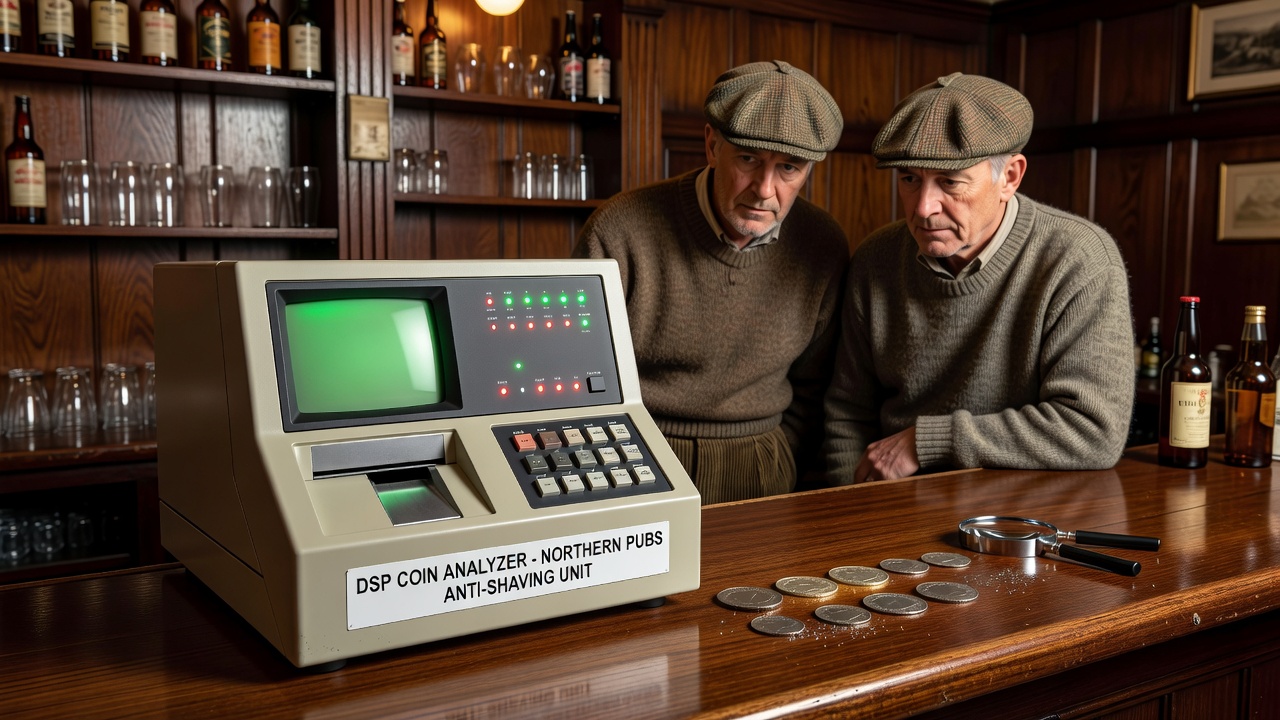 Additional refinements included temperature compensation algorithms that prevented false rejections during cold winter months when metal contraction altered coin behavior, and these updates appeared in service bulletins distributed to Northern repair networks. Technicians who serviced the equipment observed that early DSP units sometimes required shielding against electromagnetic interference from nearby jukeboxes and lighting rigs, yet once isolated the systems delivered stable results. Regional trade associations compiled comparative performance data showing that DSP retrofits reduced tampering incidents more effectively than heavier mechanical redesigns attempted earlier in the decade. By the late 1990s most legacy machines incorporated DSP validation as standard, and surviving examples of pre-digital validators became collector items displayed in pub memorabilia collections. Observers tracking equipment evolution note that the same signal analysis principles later informed optical and ultrasonic sensors deployed in newer cabinets, although those developments occurred after the primary coin shaving threats had subsided. Records from equipment leasing companies show that DSP models remained in service through the 2000s in some independent venues, where owners prioritized reliability over full replacement. Contemporary technical literature from the period describes DSP coin detection as a direct response to documented fraud patterns rather than speculative innovation, and academic papers on embedded signal processing cite pub validator deployments as practical test cases for real-time classification algorithms. Data compiled by European technical standards groups confirm that similar DSP applications appeared in vending equipment across multiple countries during the same timeframe, although Northern English pub installations received particular attention because of concentrated machine density and reported tampering volume. In August 2026 archival reviews of gaming hardware history continue to reference these early DSP deployments when discussing the transition from mechanical to electronic safeguards. Preservation efforts by regional heritage societies have catalogued surviving circuit boards, and digitised service manuals now serve as reference material for historians examining the intersection of pub culture and embedded systems development. Conclusion
The introduction of early digital signal processors established reliable detection thresholds that mechanical systems could not achieve, and installation data demonstrate measurable reductions in coin-related losses across affected Northern English pubs. Equipment logs, calibration records, and supply chain figures collectively illustrate how the technology addressed specific vulnerabilities exploited by shaving schemes without requiring complete machine replacements. Those records continue to inform discussions of validation technology evolution in archival studies conducted through 2026.
Additional refinements included temperature compensation algorithms that prevented false rejections during cold winter months when metal contraction altered coin behavior, and these updates appeared in service bulletins distributed to Northern repair networks. Technicians who serviced the equipment observed that early DSP units sometimes required shielding against electromagnetic interference from nearby jukeboxes and lighting rigs, yet once isolated the systems delivered stable results. Regional trade associations compiled comparative performance data showing that DSP retrofits reduced tampering incidents more effectively than heavier mechanical redesigns attempted earlier in the decade. By the late 1990s most legacy machines incorporated DSP validation as standard, and surviving examples of pre-digital validators became collector items displayed in pub memorabilia collections. Observers tracking equipment evolution note that the same signal analysis principles later informed optical and ultrasonic sensors deployed in newer cabinets, although those developments occurred after the primary coin shaving threats had subsided. Records from equipment leasing companies show that DSP models remained in service through the 2000s in some independent venues, where owners prioritized reliability over full replacement. Contemporary technical literature from the period describes DSP coin detection as a direct response to documented fraud patterns rather than speculative innovation, and academic papers on embedded signal processing cite pub validator deployments as practical test cases for real-time classification algorithms. Data compiled by European technical standards groups confirm that similar DSP applications appeared in vending equipment across multiple countries during the same timeframe, although Northern English pub installations received particular attention because of concentrated machine density and reported tampering volume. In August 2026 archival reviews of gaming hardware history continue to reference these early DSP deployments when discussing the transition from mechanical to electronic safeguards. Preservation efforts by regional heritage societies have catalogued surviving circuit boards, and digitised service manuals now serve as reference material for historians examining the intersection of pub culture and embedded systems development. Conclusion
The introduction of early digital signal processors established reliable detection thresholds that mechanical systems could not achieve, and installation data demonstrate measurable reductions in coin-related losses across affected Northern English pubs. Equipment logs, calibration records, and supply chain figures collectively illustrate how the technology addressed specific vulnerabilities exploited by shaving schemes without requiring complete machine replacements. Those records continue to inform discussions of validation technology evolution in archival studies conducted through 2026.
Coin shaving operations targeted mechanical coin validators in fruit machines throughout Northern English pubs during the 1970s and early 1980s, and operators filed numerous reports of altered coins passing through chutes in venues across Yorkshire, Lancashire, and Northumberland. Shavers filed edges from standard coins to reduce weight while preserving diameter, which allowed the lighter pieces to trigger mechanical switches designed for full-weight currency. Data from regional arcade maintenance logs indicate that these modified coins caused measurable revenue discrepancies, with some establishments recording losses exceeding several hundred pounds per week during peak tampering periods. Mechanical systems relied on simple levers, springs, and balance scales that measured basic physical traits, yet these devices proved vulnerable because shavers adjusted coins to fall within tolerance ranges accepted by the hardware. Pub staff often discovered the issue only after cumulative shortfalls appeared in daily tallies, and investigators traced patterns back to repeated use of the same altered denominations. Those who studied the incidents found that the schemes concentrated in areas with dense clusters of older machines, where replacement parts remained scarce and upgrades arrived slowly. Early digital signal processors entered pub gaming equipment around the mid-1980s, and manufacturers integrated these chips into validator circuits to analyze acoustic and electromagnetic signatures produced when coins passed through sensors. The processors sampled vibration frequencies, magnetic field distortions, and transit times at rates far exceeding mechanical response speeds, then compared incoming data against stored profiles of genuine coins. When deviations appeared, such as altered mass affecting resonance or edge irregularities changing impact sounds, the DSPs triggered rejection solenoids before credits registered on the machine. Researchers documented how the technology distinguished between shaved coins and standard ones by detecting subtle shifts in signal amplitude and phase that mechanical switches overlooked entirely. One documented case involved a cluster of pubs near Manchester where operators installed prototype DSP boards in 1987, and subsequent audits showed coin-related discrepancies dropping to near zero within three months. Maintenance crews noted that the chips required calibration against regional coin batches because slight variations in minting tolerances affected baseline readings, yet once tuned the systems maintained consistent performance across multiple machine models. Installation records reveal that DSP-equipped validators spread through Northern circuits by the early 1990s, and suppliers reported bulk orders from independent pub groups seeking to protect aging fruit machine fleets. The processors operated on low power budgets compatible with existing machine cabinets, and firmware updates allowed operators to adjust sensitivity thresholds without hardware swaps. Figures from industry supply chains indicate that adoption rates climbed steadily after initial trials demonstrated reliable detection of both filed edges and drilled centers that had previously evaded notice.
Additional refinements included temperature compensation algorithms that prevented false rejections during cold winter months when metal contraction altered coin behavior, and these updates appeared in service bulletins distributed to Northern repair networks. Technicians who serviced the equipment observed that early DSP units sometimes required shielding against electromagnetic interference from nearby jukeboxes and lighting rigs, yet once isolated the systems delivered stable results. Regional trade associations compiled comparative performance data showing that DSP retrofits reduced tampering incidents more effectively than heavier mechanical redesigns attempted earlier in the decade. By the late 1990s most legacy machines incorporated DSP validation as standard, and surviving examples of pre-digital validators became collector items displayed in pub memorabilia collections. Observers tracking equipment evolution note that the same signal analysis principles later informed optical and ultrasonic sensors deployed in newer cabinets, although those developments occurred after the primary coin shaving threats had subsided. Records from equipment leasing companies show that DSP models remained in service through the 2000s in some independent venues, where owners prioritized reliability over full replacement. Contemporary technical literature from the period describes DSP coin detection as a direct response to documented fraud patterns rather than speculative innovation, and academic papers on embedded signal processing cite pub validator deployments as practical test cases for real-time classification algorithms. Data compiled by European technical standards groups confirm that similar DSP applications appeared in vending equipment across multiple countries during the same timeframe, although Northern English pub installations received particular attention because of concentrated machine density and reported tampering volume. In August 2026 archival reviews of gaming hardware history continue to reference these early DSP deployments when discussing the transition from mechanical to electronic safeguards. Preservation efforts by regional heritage societies have catalogued surviving circuit boards, and digitised service manuals now serve as reference material for historians examining the intersection of pub culture and embedded systems development. Conclusion
The introduction of early digital signal processors established reliable detection thresholds that mechanical systems could not achieve, and installation data demonstrate measurable reductions in coin-related losses across affected Northern English pubs. Equipment logs, calibration records, and supply chain figures collectively illustrate how the technology addressed specific vulnerabilities exploited by shaving schemes without requiring complete machine replacements. Those records continue to inform discussions of validation technology evolution in archival studies conducted through 2026.