Mechanics of Early Reel Alignment Sensors in Safeguarding Regional Gaming Venues
Written by Logan Klein · Jun 28, 2026
Mechanics of Early Reel Alignment Sensors in Safeguarding Regional Gaming Venues
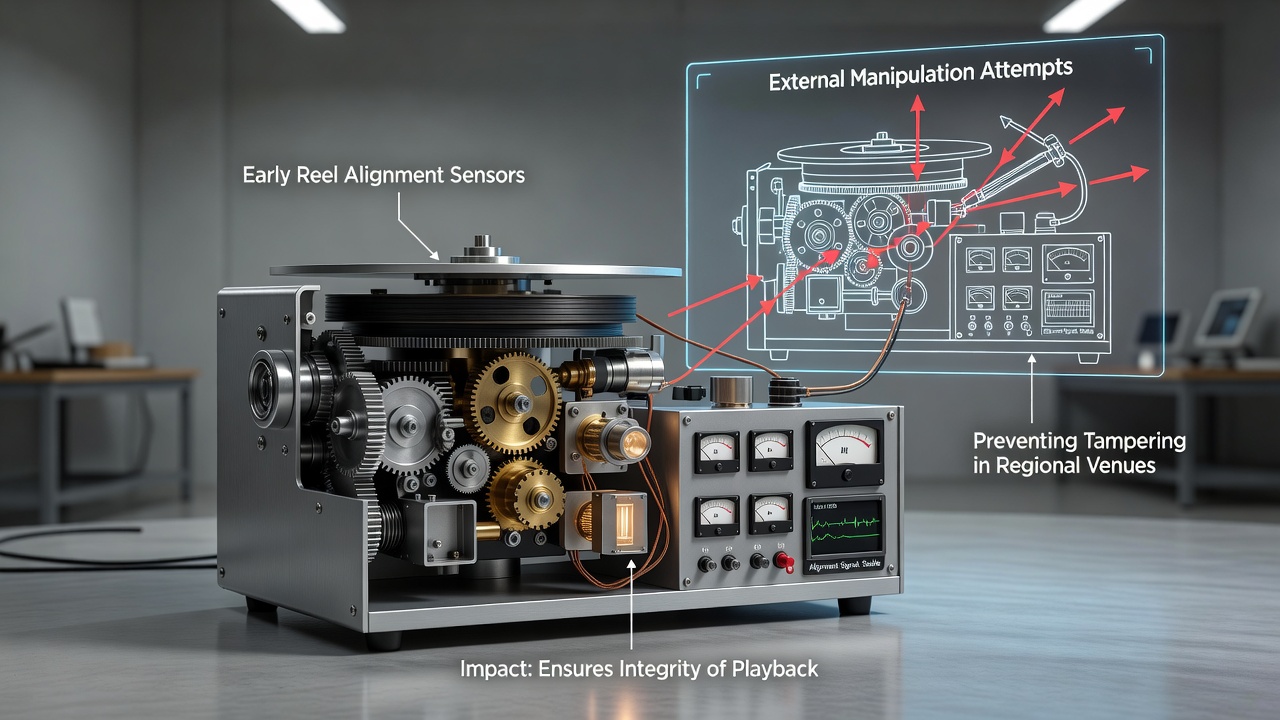
Early reel alignment sensors emerged as mechanical countermeasures in pre-digital slot machines, where physical reels spun on shared axles and stopped at predetermined positions through a combination of stepper motors and position detectors. These sensors typically consisted of notched discs attached to each reel, paired with microswitches or optical interrupters that registered exact stopping points. When a reel settled into place the sensor confirmed alignment by completing an electrical circuit or breaking a light beam, which the machine's logic board cross-checked against the game's payout table before authorizing credits or jackpots. Regional venues adopted these systems during the 1970s and 1980s because external manipulation attempts often involved tilting the cabinet, inserting wires to hold reels, or applying external magnetic fields to influence stopping positions. The sensors added a verification layer that detected when reels failed to lock at valid indices, triggering an immediate tilt condition and disabling further play until staff reset the unit. Data from industry archives shows that venues equipped with these detectors recorded fewer successful intrusions compared with machines relying solely on mechanical stops.How the Sensors Detected Misalignment
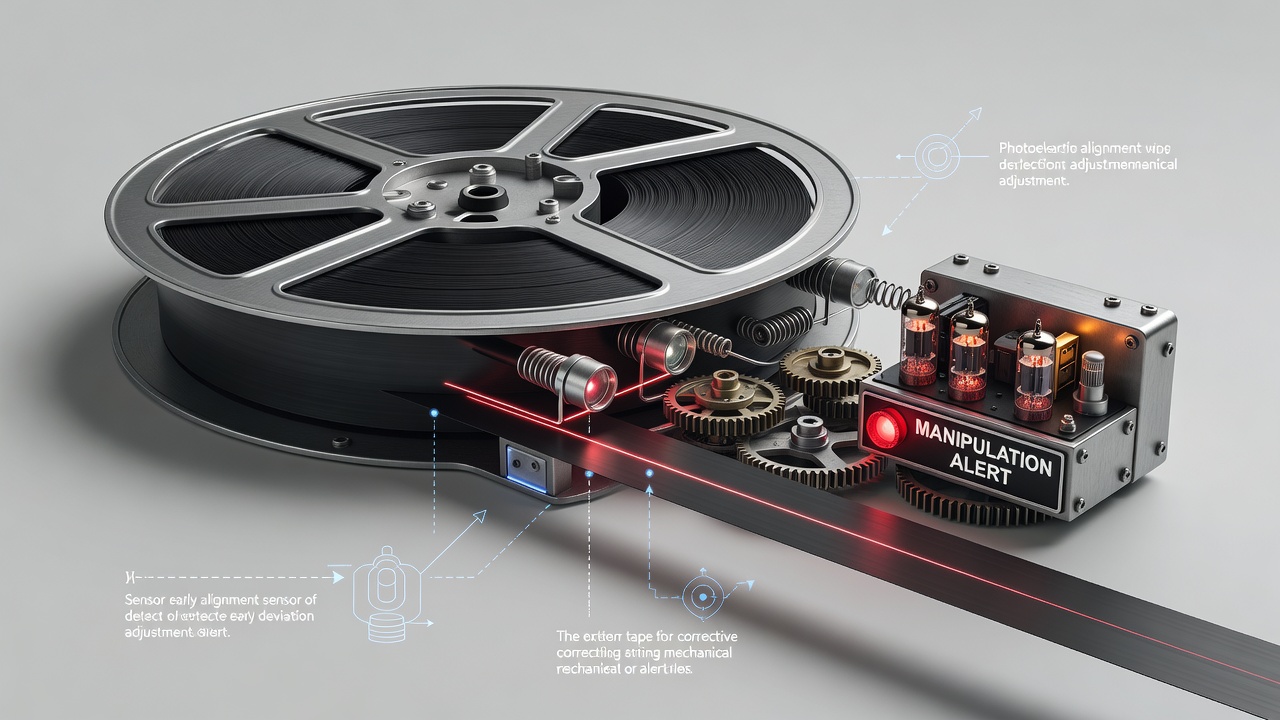
Each sensor assembly mounted directly behind the reel basket and featured a series of evenly spaced notches corresponding to symbol positions on the reel strip. As the reel rotated the notches passed between a fixed emitter and receiver pair, generating pulses that the control circuitry counted to determine current position. Once the game selected a stopping symbol the motor advanced the reel until the pulse count matched the target, at which point the sensor confirmed the final alignment within a tolerance of one notch. Any deviation caused by forced movement or external interference produced an error signal that halted the game cycle.
Technicians calibrated the tolerance windows during routine maintenance because temperature fluctuations in busy venues could expand metal components and shift notch positions by fractions of a degree. Calibration involved running test spins and adjusting the sensor bracket until the machine consistently recognized all legal stopping points without false tilt triggers. This process ensured reliable operation while still catching deliberate attempts to nudge reels after the spin sequence began.
Impact on Common External Manipulation Techniques
One widespread method involved using lightweight tools to lift or hold a reel after the motor stopped, aiming to move it to a higher-paying symbol. Reel alignment sensors countered this by monitoring for any movement once the stopping command issued, because even minor shifts altered the pulse count and activated the tilt relay. Venues reported that machines fitted with upgraded sensor arrays experienced sharp declines in such incidents after installation.
Another approach relied on strong magnets placed against the cabinet side to slow or stop specific reels. The sensors remained unaffected by magnetic fields themselves, yet they still registered the resulting misalignment when the reel failed to reach its programmed index. Combined with emerging shielding around the reel motors, this created a layered defense that forced would-be manipulators to attempt more invasive modifications that left visible evidence.
Studies conducted by the Nevada Gaming Control Board during the same era documented parallel developments in American machines, where similar sensor logic reduced successful external tampering cases. Regional operators in other jurisdictions adapted these designs quickly because the components proved inexpensive to retrofit onto existing cabinets.
Integration with Venue Security Protocols
Staff training programs emphasized recognizing sensor-triggered tilt codes displayed on the machine's diagnostic panel. When a unit locked out, attendants followed a checklist that included inspecting for external damage before clearing the condition, which created an audit trail useful for identifying repeat manipulation attempts. Some larger venues connected multiple machines to a central monitoring station that logged every tilt event with timestamps, allowing security teams to spot patterns across the floor.
Manufacturers responded by embedding redundant sensors on critical reels, usually the ones controlling jackpot combinations. Dual-sensor setups required both units to agree on the stopping position before the game proceeded, raising the difficulty of bypassing the system without triggering an immediate fault. This redundancy became standard in many regional installations by the mid-1980s.
Transition Toward Later Technologies
Although effective against mechanical interference, early reel alignment sensors could not address emerging electronic exploits such as altered EPROM chips. Yet their mechanical simplicity made them reliable in environments where power fluctuations or dust accumulation might disable more complex electronics. Many regional venues retained these sensors even after random number generators became widespread because they provided an independent physical check on reel behavior.
Records maintained by gaming equipment suppliers indicate that machines using alignment sensors maintained higher uptime rates in high-traffic locations, since false triggers remained rare once properly calibrated. The sensors also served as an early warning system for mechanical wear, alerting technicians when reels began drifting out of alignment due to bearing fatigue rather than external causes.
Conclusion
Early reel alignment sensors established a foundational layer of physical verification that protected regional venues from a range of external manipulation methods throughout the mechanical era of slot gaming. Their straightforward design, combining notched discs with microswitches or optical readers, delivered consistent detection of misalignment while integrating easily into existing security routines. As electronic systems evolved, these mechanical safeguards continued to influence later anti-tamper architectures by demonstrating the value of independent position confirmation.