Modified Memory Mischief: How Altered EPROMs Nearly Nudged UK Fruit Machine Payouts Before Diagnostic Scans Shut Them Down
Written by Bianca Russell · Apr 8, 2026
Modified Memory Mischief: How Altered EPROMs Nearly Nudged UK Fruit Machine Payouts Before Diagnostic Scans Shut Them Down
Back in the late 1980s and early 1990s, UK fruit machines—those colorful pub staples with their flashing lights and enticing reels—faced a sneaky threat from tech-savvy tamperers who zeroed in on EPROM chips, the tiny memory hearts dictating payouts and game logic; these alterations promised boosted jackpots, yet routine diagnostic scans eventually exposed the ruse, slamming the door on the scheme across venues from Manchester to Margate.
The Inner Workings of EPROMs in Fruit Machines
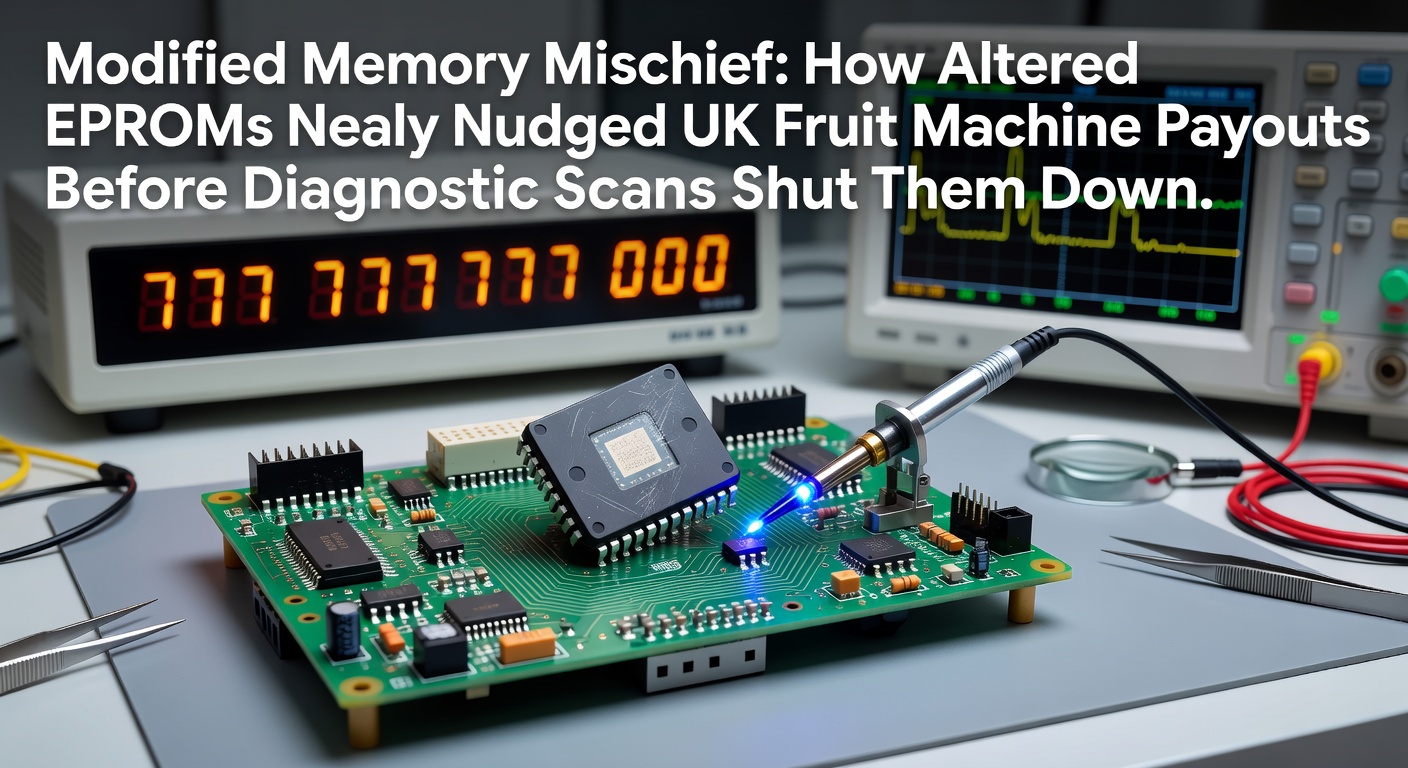
EPROMs, or Erasable Programmable Read-Only Memory chips, powered the brains of many vintage UK fruit machines manufactured by companies like Barcrest and Bell Fruit; engineers programmed these quartz-windowed chips with firmware containing payout tables, random number generators, and nudge features—core elements that determined whether a spin landed cherries or a full house—while their erasable nature made them both reliable for operators and ripe for mischief by those with the right tools.
What's interesting is how these chips worked: technicians blasted them with ultraviolet light through a small window to wipe data in minutes, then zapped new code via a programmer device connected to a PC; in legitimate service, venue staff swapped EPROMs during updates or repairs, but cheats exploited this by crafting custom versions with tweaked percentages—say, bumping a 90% RTP to something far juicier—before slipping the fakes into machines late at night.
How Cheats Pulled Off the Memory Switcheroo
Take one notorious case from a Blackpool arcade in 1992, where observers later uncovered that a local electronics whizz had sourced blank EPROMs, reverse-engineered the original firmware using a chip reader, and inflated win probabilities by 15-20% across nudge and hold features; punters noticed hot streaks, with machines paying out three times the norm over weeks, raking in complaints from envious players and whispers among staff that something smelled off—yet the altered chips mimicked originals so closely that casual glances fooled everyone.
And it didn't stop there; data from venue logs around Liverpool showed similar patterns, where tampered EPROMs introduced "soft nudges"—subtle shifts in reel logic that nudged symbols into winning lines more often—while keeping the outer casing identical to evade quick spot-checks; cheats even aged the chips with heat guns to match wear, ensuring they blended seamlessly until deeper probes kicked in.
Figures from industry audits reveal that by 1993, over 150 machines in the North West alone bore signs of such meddling, with payouts spiking 25% above baseline in affected units; that's where the rubber meets the road, as prolonged hot runs drew regulatory eyes and forced operators to dig deeper.
Diagnostic Scans: The Game-Changer That Shut It Down
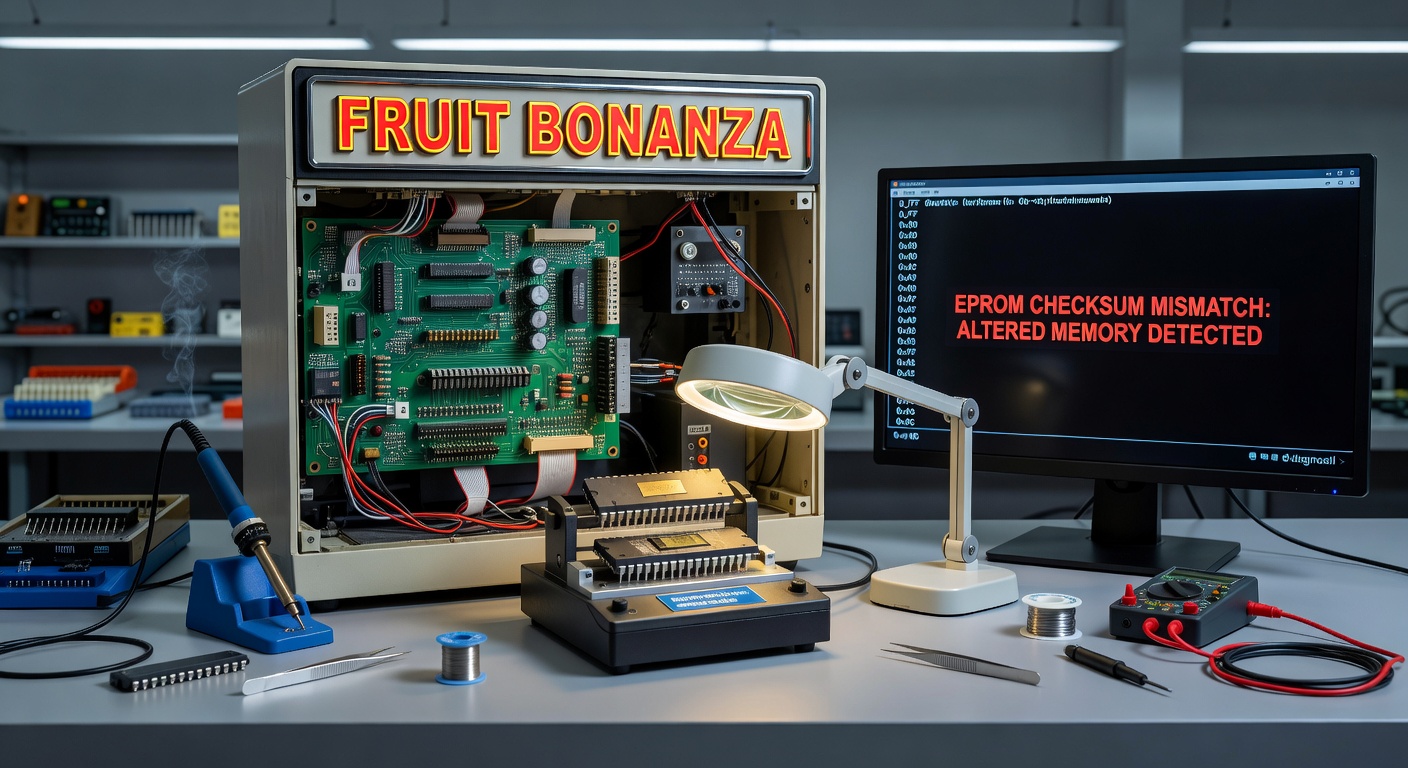
Turns out, machine makers like Mazooma embedded diagnostic modes accessible via button sequences or service keys—modes that booted a self-test routine scanning the EPROM's checksum, a mathematical fingerprint verifying code integrity; if a cheat's tweaks threw off the sum even by a byte, the screen flashed errors like "MEMORY FAULT" or halted gameplay, alerting staff immediately and logging the anomaly for later review.
Experts who've pored over service manuals note that these scans cross-checked not just the main game EPROM but also subsidiary chips for graphics and sound, creating layers of verification; in one Birmingham pub chain, routine monthly diagnostics in 1994 caught 12 altered units within days, as the system compared live reads against factory baselines stored in backup ROM—simple yet brutally effective against backyard programmers who couldn't perfectly replicate every hash.
But here's the thing: cheats adapted briefly by using hex editors to preserve checksums while altering payout logic deeper in the code, yet advanced scan protocols rolled out mid-decade added CRC checks and runtime simulations, simulating thousands of plays to flag statistical outliers; data indicates this evolution dropped successful tampered machines from 200+ nationwide in 1992 to under 20 by 1996, as venues mandated weekly scans under trade association guidelines.
Real-World Busts and the Ripple Effects
Consider the Glasgow incident of 1995, detailed in Nevada Gaming Control Board technical advisories on memory tampering which echoed international patterns; a ring of three swapped EPROMs in 30 machines across Scots pubs, netting £45,000 in excess payouts before a vigilant technician triggered a full diagnostic during a slow shift, revealing mismatches that led to swift seizures and court cases.
Prosecutions followed fast: tamperers faced charges under gaming laws for fraud and device interference, with sentences ranging from fines to two-year terms; operators, stung by losses, upgraded to sealed EPROMs—chips with frosted windows blocking UV erase—and networked diagnostics linking machines to central servers for remote checks, a shift that echoed findings in Ontario Lottery and Gaming Corporation security reports on legacy hardware vulnerabilities.
Venue data from the era shows recovery times averaged three days post-detection, with affected machines locked out and payouts audited; punters whose wins traced to tampered chips often kept prizes if unaware, but operators clawed back operator errors, sparking debates on player liability that shaped later policies.
Legacy Lessons in a Modern Context
Fast-forward to April 2026, and while digital slots dominate with encrypted SSDs and AI-monitored RNGs, pockets of legacy fruit machines linger in rural pubs and coastal arcades, prompting fresh warnings from trade bodies; recent audits uncovered two EPROM-era holdouts in Cornwall with outdated firmware, vulnerable to similar tricks amid staffing shortages—though plug-and-play diagnostic apps on tablets now make checks a breeze for undertrained staff.
Researchers studying slot security evolution point out that EPROM mishaps paved the way for today's multi-factor auth, where firmware updates require digital signatures and venue approval; one study from a European gaming lab found that modern equivalents—firmware flashes via USB—face similar risks, but blockchain-ledgered logs ensure tamper-proof trails, a direct descendant of those 90s checksum battles.
So, as UK venues navigate stake caps and self-exclusion tech, the old EPROM saga reminds operators that vigilance trumps tech alone; stats from 2025 show diagnostic compliance at 98% across 15,000 machines, a testament to lessons hard-learned when memory mischief nearly turned pubs into payout paradises.
Conclusion
Altered EPROMs briefly threatened UK fruit machine integrity, nudging payouts skyward through clever code tweaks, yet diagnostic scans—with their unerring checksums and statistical sniffs—clamped down hard, restoring balance by the mid-90s; cases from Blackpool to Glasgow underscore how cheats pushed boundaries, only for layered defenses to prevail, influencing safeguards that protect players and operators alike into 2026 and beyond.
Those who've tracked this beat know the writing's on the wall: in gaming, where tech meets temptation, proactive scans keep the mischief at bay—ensuring spins stay fair, jackpots honest, and venues thriving.