Regional Coin Validator Upgrades Across UK Pub Gaming Sites
Written by Freya Franke · Aug 2, 2026
Regional Coin Validator Upgrades Across UK Pub Gaming Sites
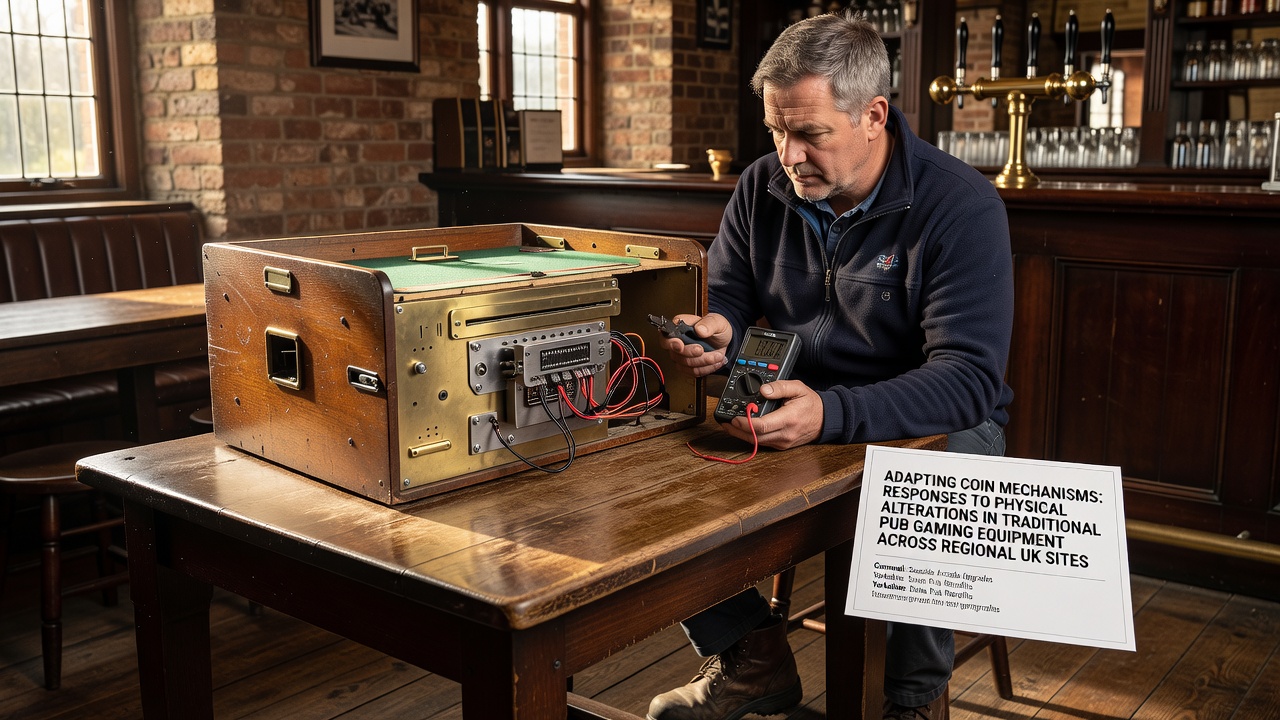
Pubs throughout England, Scotland, Wales, and Northern Ireland have updated coin mechanisms in legacy fruit machines and similar equipment to address repeated physical alterations, with changes appearing at different rates depending on local site conditions and equipment age. These adaptations focus on validator hardware, sensor arrays, and material reinforcements that detect or block common tampering methods such as shaved tokens, inserted wires, and forced entry.
Data collected by regional trade groups shows that northern English venues adopted heavier-gauge coin chutes earlier than southern sites, while Scottish locations often combined mechanical upgrades with basic electronic monitoring by the mid-2010s. Welsh operators tended to standardise on multi-sensor validators after 2018, and Northern Irish sites followed similar patterns once supply chains stabilised post-pandemic.
Mechanical Reinforcement Patterns by Area
Operators in industrial regions frequently reinforced coin entry slots with hardened steel plates because higher footfall increased the likelihood of repeated physical interference. In contrast, rural sites in the Midlands and Southwest prioritised lighter polymer inserts that still resisted basic token slimming yet proved easier to replace during routine maintenance visits. These differences reflect equipment turnover rates rather than any single regulatory push.
Technicians report that coin acceptors manufactured before 2010 required the most extensive retrofits, including new optical sensors and redesigned reject paths. Newer units already incorporated some of these features, so updates there focused on firmware calibration rather than full hardware swaps.
Sensor Integration and Detection Methods
Across multiple counties, venues added infrared and electromagnetic sensors that measure coin diameter, weight, and metallic composition in real time. When readings fall outside programmed tolerances, the mechanism diverts the item to a reject tray without registering credit. Field reports indicate that sites using dual-sensor arrays experienced fewer successful bypass attempts compared with single-sensor models still in service.
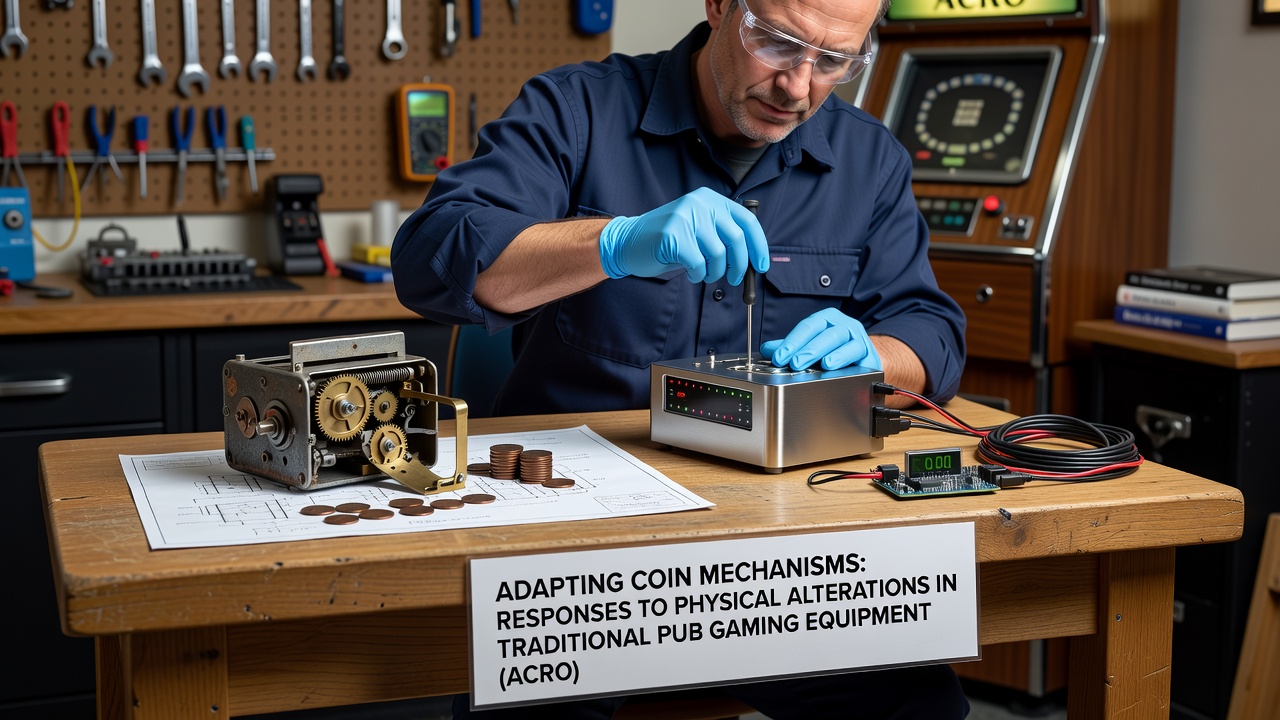
Maintenance logs from 2024 and 2025 document a gradual shift toward validators that log each rejection event with timestamp and sensor data. This information helps technicians identify patterns of attempted interference at individual machines without requiring constant visual monitoring.
Supply Chain and Installation Timelines
Equipment suppliers serving the North and Scotland completed most validator upgrades by late 2023, whereas London and Southeast operators finished the bulk of their work during 2024 and early 2025. Parts availability influenced these schedules, with some smaller regional distributors experiencing delays when specific sensor modules faced shortages. By August 2026, the majority of traditional pub sites across the UK had completed at least one round of mechanism updates, according to industry association summaries.
Training for on-site staff also varied regionally. Larger chains organised central workshops that covered sensor calibration and basic troubleshooting, while independent operators relied on visiting engineers who provided hands-on instruction during installation visits. Both approaches produced similar outcomes in terms of reduced successful tampering incidents.
Documentation and Record Keeping
Venues now maintain digital records of validator serial numbers, installation dates, and any subsequent adjustments. These records support insurance claims and help identify machines that may need further attention. Several regional maintenance contractors have begun sharing anonymised summary statistics with equipment manufacturers to guide future design improvements.
Studies from academic and industry sources outside the UK, such as reports referenced by the Canadian Heritage gaming oversight materials and analyses published through the European Gaming and Betting Association, note parallel developments in other jurisdictions facing comparable physical interference issues.
Conclusion
Regional UK pub sites have responded to physical alterations in coin mechanisms through a combination of hardware reinforcements, sensor additions, and improved record-keeping practices. The pace and specific methods differ by location, reflecting local equipment age, supply access, and operational priorities. These changes continue to evolve as manufacturers release updated components and venues refine their maintenance routines.