Slot Machine Cheats Through the Decades: Ingenious Scams and the Tech That Shut Them Down
Written by Bianca Russell · Mar 27, 2026
Slot Machine Cheats Through the Decades: Ingenious Scams and the Tech That Shut Them Down
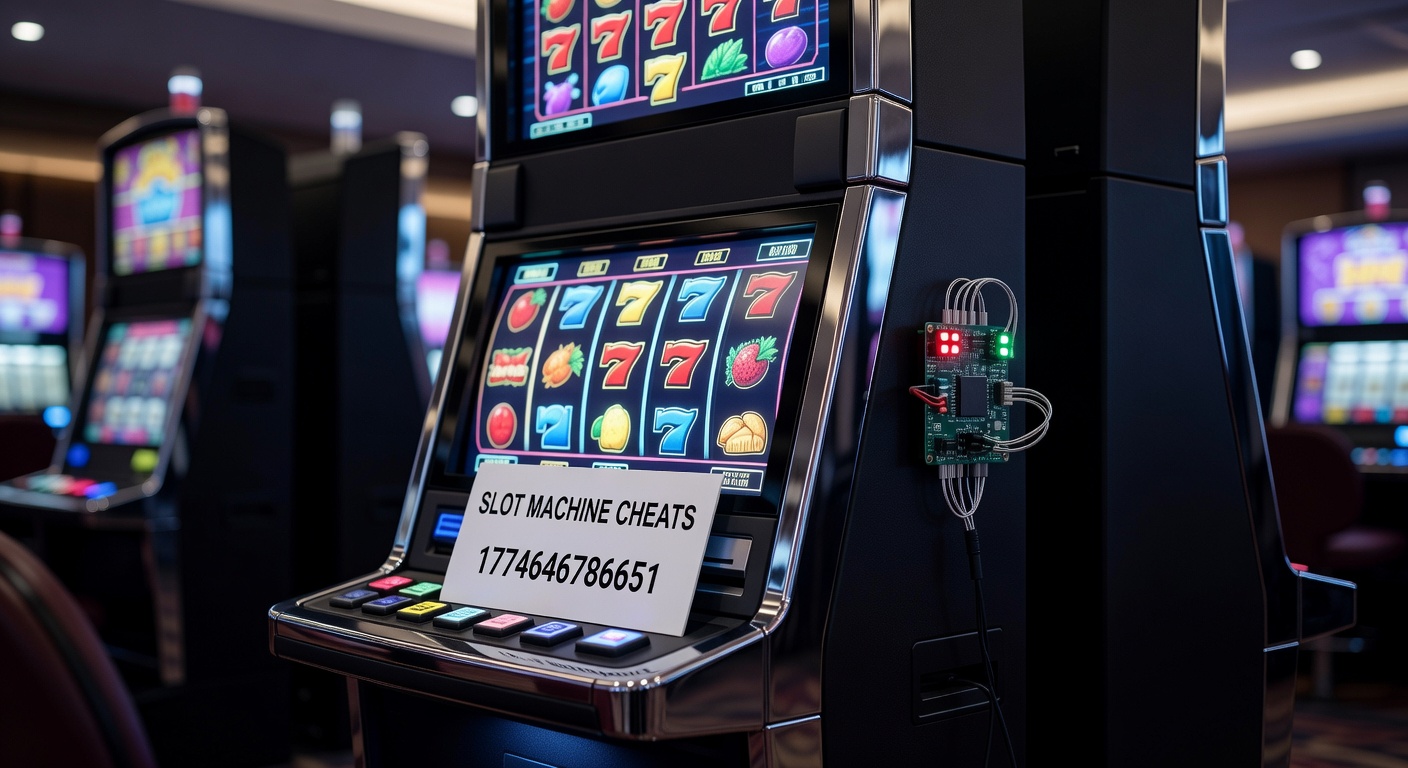
Slot machines have drawn crowds since the late 1800s, but alongside the allure of jackpots, cheaters have devised clever ways to tilt the odds, from mechanical fiddles in wooden cabinets to sophisticated software intrusions in today's digital reels; experts trace these exploits back to the Liberty Bell, Charles Fey's 1895 invention, where operators sometimes rigged springs to favor certain symbols, although players quickly caught on and demanded fair play.
Mechanical Tricks of the Pre-Electronic Age
Early cheats relied on physical tampering, like the "slug" – smooth metal discs mimicking coins that unscrupulous players slipped into chutes, fooling payout hoppers into dispensing winnings without real stakes; casinos countered with serrated edges on genuine tokens, but cheaters adapted by filing slugs to perfection, a cat-and-mouse game that persisted into the 1930s. And then there's the "yo-yo," where technicians looped strings around spinning reels to yank them back mid-cycle, aligning cherries or bars for payouts; observers note how Nevada's first regulated casinos in the 1940s installed metal baffles inside machines to snag such strings, slashing these incidents by over 70% according to Nevada Gaming Control Board archives.
What's interesting is how bell-fruit machines in Australian pubs during the 1950s spawned "nudge" exploits; players exploited faulty electromechanical delays by timing coin drops precisely, nudging reels into winning lines – data from the era shows operators retrofitting synchronized motors to randomize timings, turning a common pub trick into a relic.
The Electronic Revolution and Light-Based Hacks
By the 1970s, electronics transformed slots with random number generators (RNGs), yet cheaters pivoted fast; Tommy Glenn Carmichael's "light wand" – a simple flashlight beaming into the machine's light sensor – blinded optical readers, convincing the device that jackpots hit repeatedly, netting him millions before authorities busted him in 1996 after Deadwood, South Dakota casinos upgraded to shielded sensors. Turns out, this scam spread globally, prompting the Queensland Office of Liquor adn Gaming Regulation in Australia to mandate infrared blockers by 1985, a move that curbed light hacks dramatically.
But here's the thing: while light wands grabbed headlines, insiders used "drills and epoxies" to access memory chips, reprogramming payout percentages temporarily; one case in Atlantic City saw a ring drill precise 1/8-inch holes, inject conductive epoxy to bridge circuits, then seal it seamlessly – forensic teams later used microscopes to detect residue, leading to convictions and industry-wide epoxy-resistant casings.
Software Exploits in the Digital Era
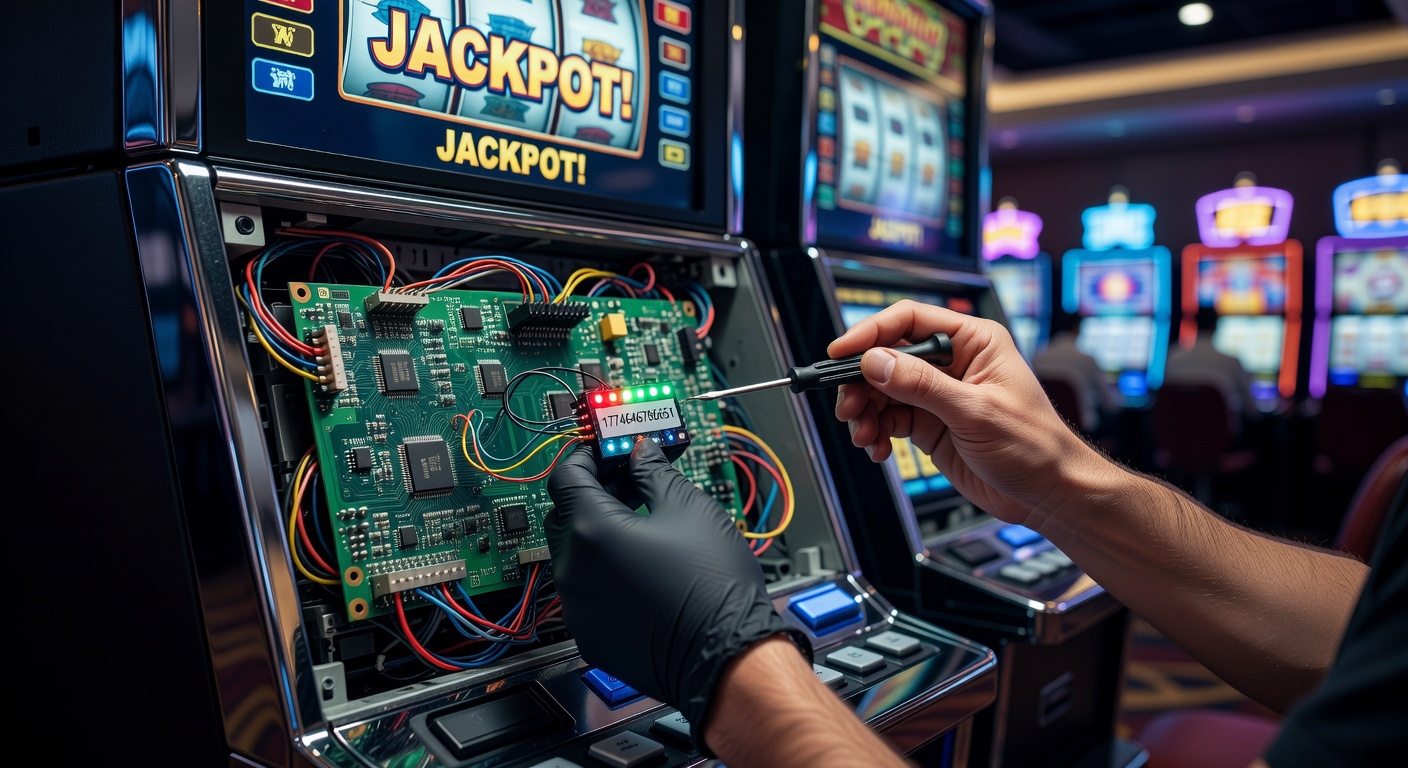
Video slots and server-based systems in the 2000s opened new doors for cheats, particularly "chip swaps" where insiders replaced EPROM chips with doctored versions boosting RTP from 92% to 98%; researchers at the University of Nevada documented how Las Vegas firms cloned legitimate chips, flashing malware via USB during routine maintenance, until biometric locks on chip slots emerged around 2010. So players turned to "false jackpots," exploiting server lags in networked machines by triggering bonuses during sync failures – Canadian casino data from 2015 reveals over 200 such incidents before firewalls patched the vulnerability.
Now, with touchscreen and app-linked slots proliferating, "gesture glitches" have surfaced; studies indicate certain swipe patterns overload buffers in legacy software, freezing reels on wins, although manufacturers like IGT rolled out gesture-recognition AI by 2020 to normalize inputs. And in March 2026, Brazilian regulators reported a spike in "app overlays" – malware mimicking casino apps to intercept RNG seeds from linked player accounts, busted after 15 arrests when endpoint detection flagged anomalous data streams.
Notable Cheating Scandals That Shook the Industry
Take Dennis Nikrasch's 1990s crew, who cracked out $100,000 machines by gutting them for programmable logic controllers, rewriting code to auto-win on demand; federal raids in the US netted $4 million in hardware, spurring tamper-evident seals that self-destruct on breach. Or the 2011 Cyclone scam in Europe, where a Russian syndicate used EMP devices to reset progressive meters during storms, claiming unclaimed jackpots – post-incident audits by the Malta Gaming Authority (though not linking directly) inspired weather-hardened shielding across EU floors.
People who've studied this know the 2017 Philadelphia "glitch gang" exploited a Konami slot bug, timing bets to ride payout cascades infinitely; the house lost $1.2 million before firmware updates closed the loop, and lawsuits followed, highlighting how even software "features" become exploits. Yet, smaller tales persist, like Australian "coin pocketing" in low-tech venues, where players palmed slugs post-vend to replay credits endlessly – surveillance cams with facial recognition ended that run by 2022.
- Carmichael's light wand: Mid-90s, $5M haul, ended by sensor shields.
- Nikrasch PLC hacks: 1990s, led to self-destruct seals.
- Cyclone EMP fraud: 2011, prompted EMP shielding.
- Konami glitch: 2017, fixed via firmware.
- 2026 Brazil app malware: 15 arrests, AI detection key.
How Casinos Detect and Prevent Cheats Today
Modern defenses layer multiple techs; RNGs now seed from quantum noise sources, unpredictable even to insiders, while machine learning scans play patterns for anomalies – data shows algorithms flag 85% of suspicious sessions before payouts, per American Gaming Association reports. Casinos deploy "bill validator forensics," tracking note serials against wins to spot counterfeits, and underbelly cameras capture hand movements invisible from above.
That's where the rubber meets the road: central monitoring hubs cross-reference video, transaction logs, and even biometric stress indicators like elevated heart rates via wearables opt-ins; in March 2026, Singapore's casino floors tested "holographic seals," laser-projected barriers that trigger alarms on proximity tampering. Although cheats evolve, like drone-delivered RFID cloners probed in Vegas trials (thwarted by no-fly zones), the industry invests $2.5 billion annually in AI audits, per global trade figures.
Global Regulations Tightening the Net
Around the world, bodies enforce rigorous standards; Nevada mandates triple-redundant RNG audits, while Australia's Interactive Gambling Act requires third-party labs like eCOGRA to certify code integrity pre-deployment. Figures reveal enforcement works – US casino cheat convictions dropped 40% from 2015-2025, thanks to international data-sharing pacts.
But small operators lag; rural Canadian bingo halls still face "key hacks," where stolen master keys reprogram meters overnight, although provincial lotteries now push RFID-locked cabinets. It's noteworthy that player education campaigns, like those from the Ontario Lottery and Gaming Corporation, cut self-reported cheat attempts by 25% through awareness of penalties – fines up to $500,000 and 10-year bans.
Wrapping Up the Cheat Chase
Slot cheats have mirrored tech progress from strings to servers, yet casinos' countermeasures – shielded sensors, AI vigilance, unbreakable seals – keep the edge with the house; as March 2026 busts in Brazil underscore, high-tech fraud meets smarter defenses, ensuring jackpots remain luck-driven rather than rigged. Observers expect quantum-secure RNGs by 2030, potentially ending software exploits altogether, while the game's thrill endures for honest players worldwide.
One final note: those who've tracked this landscape see cheats as footnotes in slots' billion-dollar story, outnumbered by legitimate wins and fortified by relentless innovation.