UK Budget Adjusts Machine Games Duty Rates on Higher-Stake Machines While Licensing Questions Surface for Adult Gaming Centres
Written by Freya Franke · Nov 4, 2026

UK Budget Adjusts Machine Games Duty Rates on Higher-Stake Machines While Licensing Questions Surface for Adult Gaming Centres
Chancellor John Healey announced changes to Machine Games Duty during the October 2026 Budget, raising the rate from 20% to 25% on takings from higher-stake machines, with the adjustment scheduled to take effect from April 2027; the measure aims to generate revenue for high street support initiatives while leaving pubs and seaside arcades outside the scope of the increase. Observers note that this targeted adjustment applies specifically to machines meeting certain stake and prize thresholds, and government documentation outlines the revised structure for operators handling those devices.
Scope of the Duty Increase and Exclusions
The revised duty rate covers higher-stake slot machines commonly found in certain licensed premises, whereas lower-stake equipment remains at the previous level; this distinction allows operators to assess which machines fall under the new 25% obligation once the April 2027 date arrives. Data from official sources indicates the change forms part of broader fiscal planning, and the exclusion of pubs alongside seaside arcades reflects an effort to protect specific segments of the leisure sector from the additional tax burden. Figures released alongside the Budget show projected revenue contributions directed toward high street measures, with the government framing the adjustment as a means to balance taxation across different gambling formats.
Bingo Licence Arrangements at Adult Gaming Centres
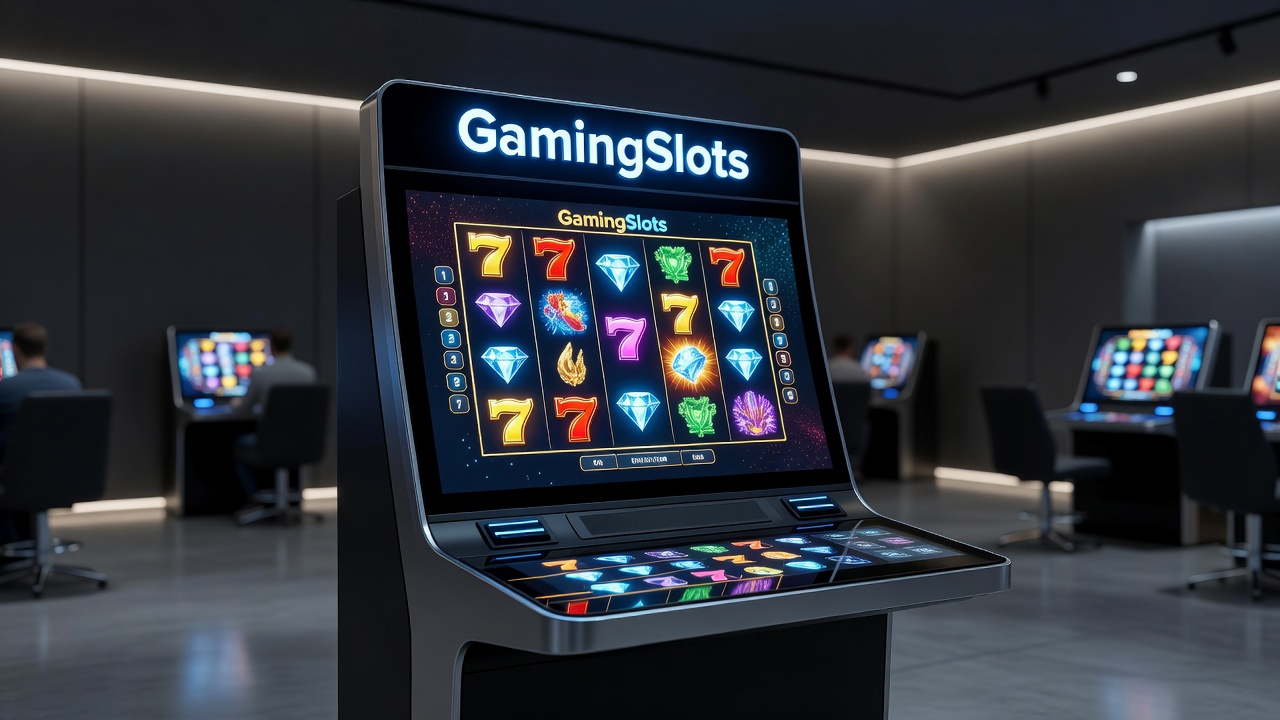
Hundreds of adult gaming centres operated by companies including Merkur and Admiral in England maintain bingo licences even though their primary offerings consist of slot machines supplemented by limited tablet-based bingo sessions; this licensing structure could place those venues outside certain business rates adjustments tied to the duty changes. Site visits and analysis conducted by the Guardian in late 2026 documented how these centres advertise bingo activities prominently while the floor space and revenue remain overwhelmingly dedicated to slot play. Those who have examined the licensing framework point out that holding a bingo licence allows operators to navigate regulatory categories differently, creating potential pathways that differ from standard adult gaming centre classifications.
Operators such as Merkur and Admiral run multiple locations where bingo tablets occupy only a small portion of the premises, yet the dual licensing approach continues under current rules; regulators have not indicated immediate changes to this arrangement following the Budget announcement. Research into venue operations reveals that many such centres promote bingo as a secondary feature while slot machines account for the majority of customer activity and floor allocation. The situation highlights how existing licence categories interact with the new duty framework in ways that may require further clarification from authorities before April 2027.
Timeline and Implementation Considerations
The duty increase takes effect in April 2027, giving operators several months to review machine inventories and licensing status ahead of the change; this period allows companies to evaluate whether bingo licence holdings affect their overall compliance approach. Government publications on Machine Games Duty provide details about stake and prize thresholds that determine which machines attract the higher rate, and official guidance outlines how operators should classify equipment. Venues operating across England face varying local business rates environments, and the interaction between national duty changes and local taxation remains an area under review by industry observers in November 2026.
Adult gaming centres with bingo licences continue to function under their existing permissions while the higher duty rate approaches; this continuity means that any potential benefits or exemptions tied to those licences stay in place unless future regulatory updates intervene. Data collected from multiple sites shows consistent patterns where slot machines dominate daily operations despite the presence of bingo licensing, and this operational reality forms the basis for ongoing discussions about regulatory alignment. The Budget measure therefore introduces a new tax layer without immediately altering the licensing distinctions that some operators currently utilise.
Conclusion
The October 2026 Budget measure establishes a clear increase in Machine Games Duty for specified higher-stake machines from April 2027 onward, while adult gaming centres holding bingo licences maintain their current operational structures. Analysis from multiple sources documents the prevalence of slot-focused venues operating under bingo permissions, and the period leading to implementation offers time for operators and regulators to assess any further implications. Official records and site examinations provide the factual foundation for understanding how these elements intersect within the existing regulatory environment.