Vintage Reel Mechanisms: How Early Tamper Detection Paved the Way for Today's Algorithmic Defenses
Written by Jordan Hansen · Jul 15, 2026

Vintage Reel Mechanisms: How Early Tamper Detection Paved the Way for Today's Algorithmic Defenses
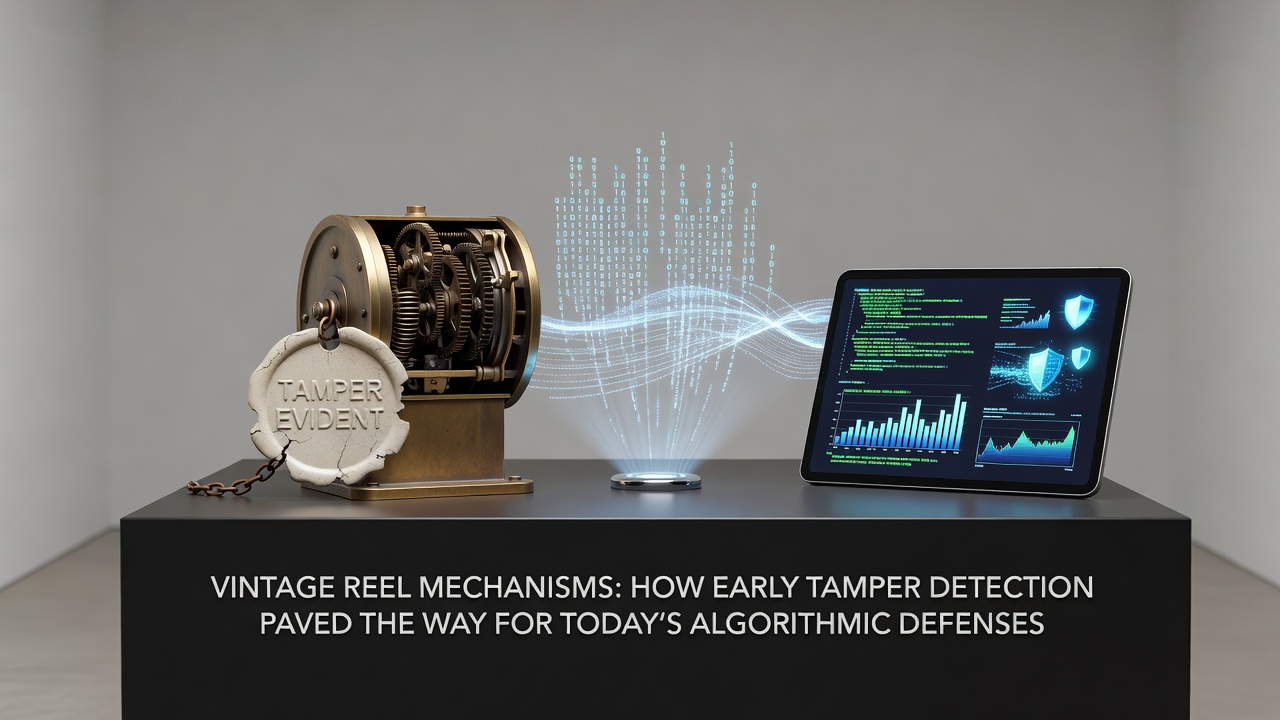
Mechanical reel systems in early gaming devices relied on physical components that operators monitored through basic but effective tamper indicators, and these setups established patterns that later influenced digital security frameworks across multiple jurisdictions. Observers note that initial designs incorporated weighted reels and spring-loaded stops which resisted manual interference while also signaling unauthorized access through visible misalignment or resistance changes during operation.
Mechanical Foundations and Initial Safeguards
Early reel assemblies featured notched discs and cam followers that created resistance points against forced spins, and manufacturers added sealed housings with breakable wire loops to mark any opening attempts. Data from industry archives shows these passive measures reduced casual manipulation incidents in land-based venues during the mid-20th century, while technicians learned to inspect for bent pins or displaced gears that indicated prior interference.
Researchers documented how friction-based counters on payout arms provided secondary verification, because any attempt to accelerate reel movement left scoring marks on the metal surfaces. Those who've examined preserved units from that era often discover consistent wear patterns that correlate with documented service logs from regulatory inspections in North American casinos.
Transition to Electronic Sensors
By the late 1970s, electromechanical hybrids introduced microswitches that detected lid openings and reel removals, triggering immediate lockouts on the credit meters. Studies from gaming technology reviews indicate these switches connected directly to simple relay circuits, and the approach prevented continued play after any detected breach while preserving transaction records for later audits.
What's notable is the way optical interrupters began replacing mechanical contacts in the 1980s, since light-beam interruptions offered faster response times without physical wear. Figures from equipment manufacturers reveal that venues adopting these sensors experienced measurable drops in payout disputes, because the systems logged precise timestamps for every access event.
Integration with Random Number Systems
Once microprocessors entered the picture, tamper signals fed directly into the random number generation routines, and any detected anomaly forced a reseed of the algorithm to maintain outcome integrity. According to reports from the Nevada Gaming Control Board, these layered checks became standard requirements for device approval by the early 1990s, because regulators observed that isolated mechanical protections alone no longer sufficed against coordinated attempts.
Engineers combined reel position encoders with checksum validations on firmware, and this combination created audit trails that extended beyond physical inspection. One documented case involved a series of modified stepper motors in Australian venues, where embedded diagnostics flagged irregular acceleration profiles and transmitted alerts to central monitoring stations before any payout occurred.
Algorithmic Evolution and Current Applications
Modern platforms translate those same detection principles into behavioral analytics that monitor spin timing, button press sequences, and network latency patterns. Research published by the International Gaming Institute highlights how machine learning models now flag deviations that mirror the physical anomalies once caught by wire seals and microswitches.
Systems deployed in July 2026 continue to reference historical mechanical thresholds when calibrating sensitivity levels, because baseline data from vintage units helps distinguish normal wear from deliberate interference. Technicians routinely cross-reference current log files against archived mechanical failure modes to refine false-positive rates in live environments.
Conclusion
The progression from physical indicators to algorithmic oversight demonstrates a continuous refinement of core detection concepts that originated with simple mechanical constraints. Equipment standards across regions now incorporate these layered approaches as baseline requirements, ensuring that legacy lessons remain embedded in contemporary verification protocols.